
How to Identify Vulnerabilities in Your System
07/03/2026
Developing a Cybersecurity Awareness Training Program
07/03/2026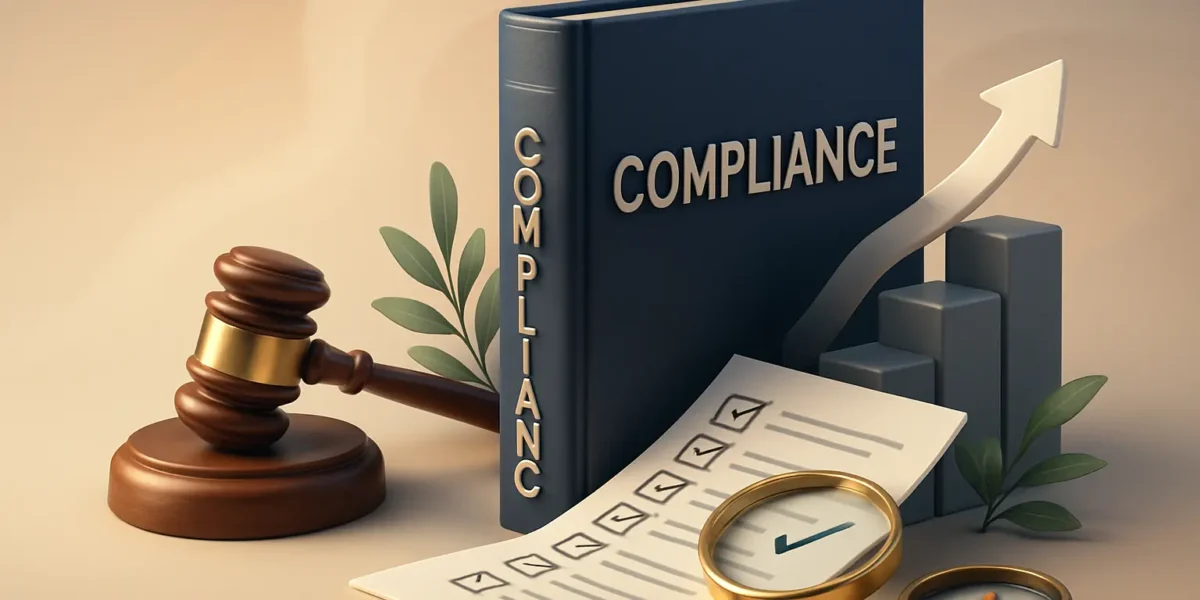
Navigating Compliance Requirements for Businesses
Navigating Compliance Requirements for Businesses
In today’s complex regulatory environment, businesses face a myriad of compliance requirements, particularly in the realm of cybersecurity. Understanding and navigating these requirements is essential for protecting sensitive data, maintaining customer trust, and avoiding legal repercussions. This article aims to provide practical guidance for businesses looking to ensure compliance in their operations.
Understanding Compliance Requirements
Compliance requirements vary by industry and region, but they typically include regulations pertaining to data protection, privacy, and security. Key regulations include:
- GDPR (General Data Protection Regulation): Affects businesses operating in or with the EU.
- HIPAA (Health Insurance Portability and Accountability Act): Applicable to healthcare providers and their business associates.
- PCI DSS (Payment Card Industry Data Security Standard): Relevant for businesses that handle credit card transactions.
- SOX (Sarbanes-Oxley Act): Targets publicly traded companies in the U.S., focusing on financial transparency.
- CCPA (California Consumer Privacy Act): Enhances privacy rights for California residents.
Common Mistakes in Compliance
Many businesses struggle with compliance due to common pitfalls. Recognizing these mistakes can help prevent costly oversights.
- Lack of Awareness: Not staying updated with changing regulations can lead to non-compliance.
- Poor Documentation: Inadequate record-keeping hampers compliance audits and assessments.
- Neglecting Employee Training: Employees must be aware of compliance requirements and best practices.
- Insufficient Risk Assessment: Failing to identify and address potential vulnerabilities can jeopardize compliance.
Benefits of Compliance
Investing time and resources into compliance can yield significant benefits for businesses, including:
- Enhanced Reputation: Compliance demonstrates commitment to data protection, fostering customer trust.
- Reduced Risk: Adhering to regulations minimizes the likelihood of data breaches and associated penalties.
- Operational Efficiency: A structured compliance framework can streamline processes and improve overall efficiency.
- Competitive Advantage: Compliance can differentiate a business in a crowded market.
Practical Steps to Ensure Compliance
To effectively navigate compliance requirements, businesses should implement the following practical steps:
- Conduct Regular Audits: Perform security audits and compliance assessments to identify gaps in adherence.
- Create a Compliance Checklist: Develop a detailed checklist based on relevant regulations to ensure all requirements are met.
- Invest in Training: Regularly train employees on compliance policies and procedures to foster a culture of compliance.
- Engage Legal Experts: Consult with compliance experts or legal counsel to ensure comprehensive understanding and adherence.
Utilizing Digital Tools for Compliance
Businesses can leverage various digital tools to streamline compliance efforts:
- Compliance Management Software: These tools help manage documentation, track compliance status, and automate reporting.
- Security Auditing Tools: Utilize penetration testing and vulnerability scanning tools to assess security posture.
- Data Protection Solutions: Invest in encryption and data loss prevention technologies to safeguard sensitive information.
Conclusion
Navigating compliance requirements is not just a regulatory obligation but a critical aspect of maintaining a secure and trustworthy business. By understanding the regulations that apply, avoiding common mistakes, and implementing strategic compliance measures, businesses can protect themselves and their customers. The journey may seem daunting, but with the right tools and practices in place, achieving compliance can lead to substantial benefits and a stronger reputation in the marketplace.