

How to Conduct a Comprehensive Security Audit
07/03/2026
Common Cyber Threats and How to Mitigate Them
07/03/2026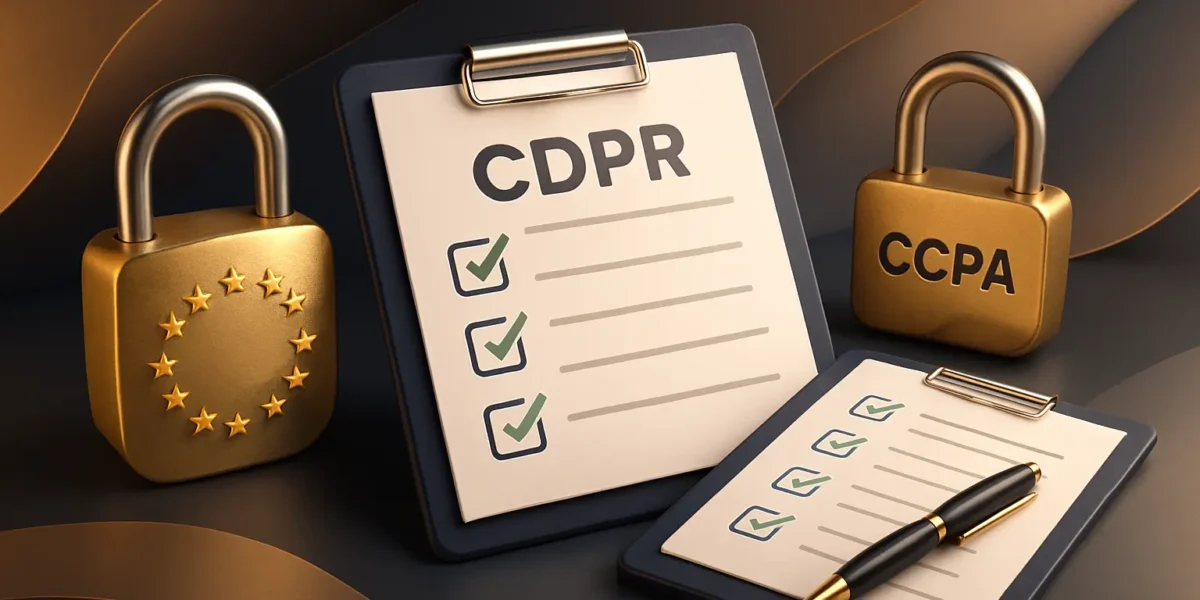
Essential Compliance Checklists for GDPR and CCPA
Introduction
In today’s digital landscape, data privacy has become a pivotal concern for businesses and consumers alike. The General Data Protection Regulation (GDPR) and the California Consumer Privacy Act (CCPA) are two significant pieces of legislation aimed at protecting personal data. Compliance with these regulations is not just a legal requirement, but also a crucial aspect of building trust with customers and stakeholders.
This article provides essential compliance checklists for both GDPR and CCPA, enabling businesses to navigate the complexities of data protection laws effectively.
Understanding GDPR and CCPA
The GDPR is a comprehensive regulation that applies to organizations operating within the European Union, as well as those outside the EU that process the personal data of EU residents. On the other hand, the CCPA is a state law that governs how businesses collect and manage personal information of California residents. Both laws aim to empower consumers with greater control over their personal data.
Key Differences Between GDPR and CCPA
- Scope: GDPR applies to all EU citizens, while CCPA focuses on California residents.
- Data Rights: GDPR includes the right to data portability, while CCPA emphasizes the right to opt-out of data selling.
- Penalties: GDPR penalties can reach up to €20 million, whereas CCPA fines can go up to $7,500 per violation.
- Business Size: CCPA applies to for-profit businesses meeting certain thresholds, while GDPR applies regardless of business size.
GDPR Compliance Checklist
To ensure compliance with GDPR, businesses should follow a structured approach. Here’s a checklist to guide you:
- Data Audit: Identify and document all personal data you process.
- Privacy Policy: Update your privacy policy to reflect GDPR requirements.
- Data Protection Officer (DPO): Appoint a DPO if required, to oversee compliance efforts.
- Consent Management: Implement mechanisms to obtain and manage user consent.
- Data Subject Rights: Establish processes to handle requests from individuals exercising their rights.
Implementing Data Protection Measures
- Data Encryption: Utilize encryption to protect personal data.
- Access Controls: Limit data access to authorized personnel only.
- Incident Response Plan: Develop a plan to address data breaches swiftly.
CCPA Compliance Checklist
For businesses operating in California, adhering to the CCPA is essential. Here’s a practical checklist:
- Consumer Rights Notification: Inform consumers about their rights under CCPA.
- Privacy Policy Update: Revise your privacy policy to comply with CCPA requirements.
- Opt-Out Mechanism: Provide a clear method for consumers to opt-out of data selling.
- Data Access Requests: Implement procedures to respond to consumer requests for their data.
Effective CCPA Practices
- Data Minimization: Collect only the data that is necessary for your operations.
- Training Employees: Educate staff on CCPA compliance and data protection best practices.
- Regular Audits: Conduct regular audits to ensure ongoing compliance.
Common Mistakes to Avoid
When navigating GDPR and CCPA compliance, businesses often make several mistakes that can lead to serious repercussions:
- Neglecting Documentation: Failing to document data processing activities can hinder compliance efforts.
- Inadequate Training: Not training employees on data protection can lead to unintentional breaches.
- Ignoring Consumer Rights: Overlooking consumer requests can result in legal penalties.
Conclusion
Compliance with GDPR and CCPA is not just about legal adherence; it’s an investment in building customer trust and safeguarding personal data. By following the outlined checklists and avoiding common mistakes, businesses can take significant strides towards achieving compliance. Regular audits and ongoing education are essential for maintaining compliance in the ever-evolving landscape of data protection laws. Prioritizing data privacy will not only protect your business from penalties but also enhance your reputation in the marketplace.