
Best Practices for Data Protection and Privacy
07/03/2026
Understanding the Basics of Network Security
07/03/2026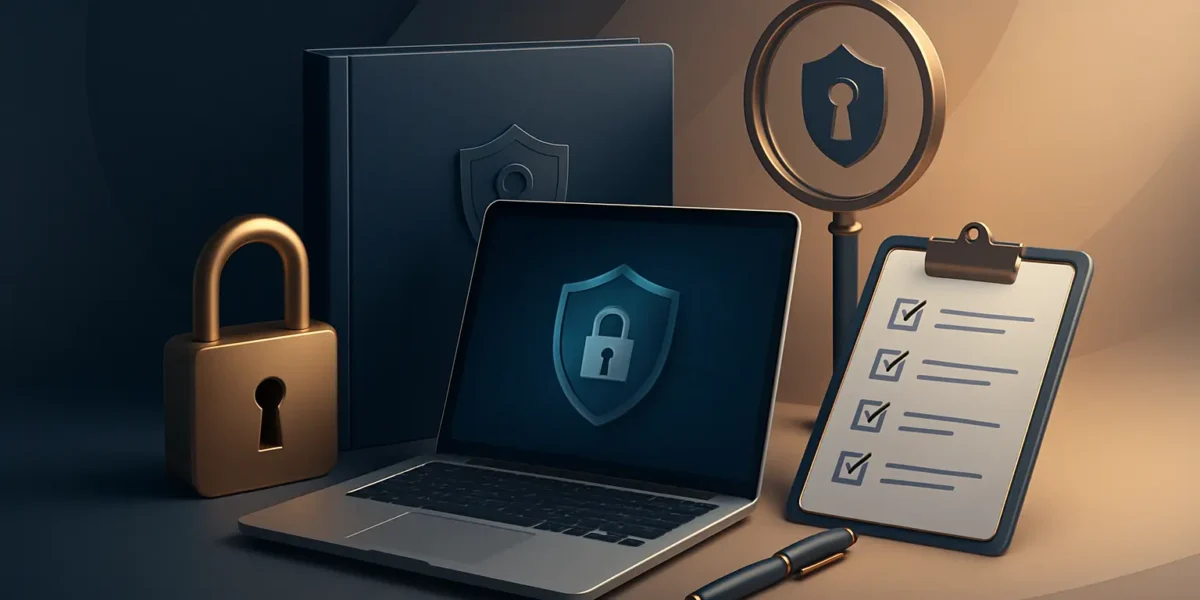
How to Prepare for a Cybersecurity Audit
How to Prepare for a Cybersecurity Audit
In today’s digital landscape, cybersecurity audits have become vital for organizations aiming to protect their sensitive data. A cybersecurity audit assesses your company’s information systems to identify vulnerabilities and ensure compliance with security standards. Proper preparation is crucial for a successful audit and helps in minimizing risks and enhancing security protocols.
Understanding Cybersecurity Audits
Cybersecurity audits can take various forms, including compliance audits, security assessments, and risk assessments. Each type serves a unique purpose, but ultimately, they all aim to evaluate your organization’s security posture. Understanding these types is the first step in preparing effectively.
- Compliance Audits: Ensure adherence to laws and regulations like GDPR or HIPAA.
- Security Assessments: Evaluate existing security controls and identify weaknesses.
- Risk Assessments: Analyze threats and potential impacts on your business.
Steps to Prepare for a Cybersecurity Audit
Preparing for a cybersecurity audit involves several critical steps. Below are the essential actions you should take to ensure your organization is ready.
1. Conduct a Self-Assessment
Before the official audit, performing a self-assessment can help identify potential weaknesses. This proactive approach allows you to address issues before they are flagged during the audit.
- Review current security policies.
- Evaluate user access controls.
- Check for outdated software and hardware.
2. Gather Documentation
Documentation plays a crucial role in an audit. Ensure that you have all necessary policies, procedures, and records readily available. Common documents to prepare include:
- Incident response plans.
- Data protection policies.
- Previous audit reports.
3. Train Your Team
Ensure that your team is aware of the audit process and understands their roles. Training can help reduce anxiety and promote cooperation during the audit.
- Conduct training sessions on security practices.
- Explain the importance of the audit.
- Foster an environment of open communication.
Common Mistakes to Avoid
While preparing for a cybersecurity audit, avoid these common pitfalls:
- Neglecting to update documentation.
- Underestimating the importance of team involvement.
- Failing to implement suggested improvements from previous audits.
Benefits of a Thorough Audit Preparation
Investing time in thorough preparation can yield significant benefits:
- Enhanced security posture.
- Better compliance with regulations.
- Increased trust from customers and stakeholders.
Conclusion
Preparing for a cybersecurity audit is an essential process for any organization concerned about its digital security. By understanding the types of audits, conducting self-assessments, gathering vital documentation, and training your team, you can ensure a smooth and effective audit process. Avoiding common mistakes and recognizing the benefits of thorough preparation will further bolster your organization’s security resilience. Embrace these best practices to not only survive an audit but to thrive in an increasingly complex cybersecurity landscape.