
Creating a Cybersecurity Culture in Your Organization
07/03/2026
How to Identify Vulnerabilities in Your System
07/03/2026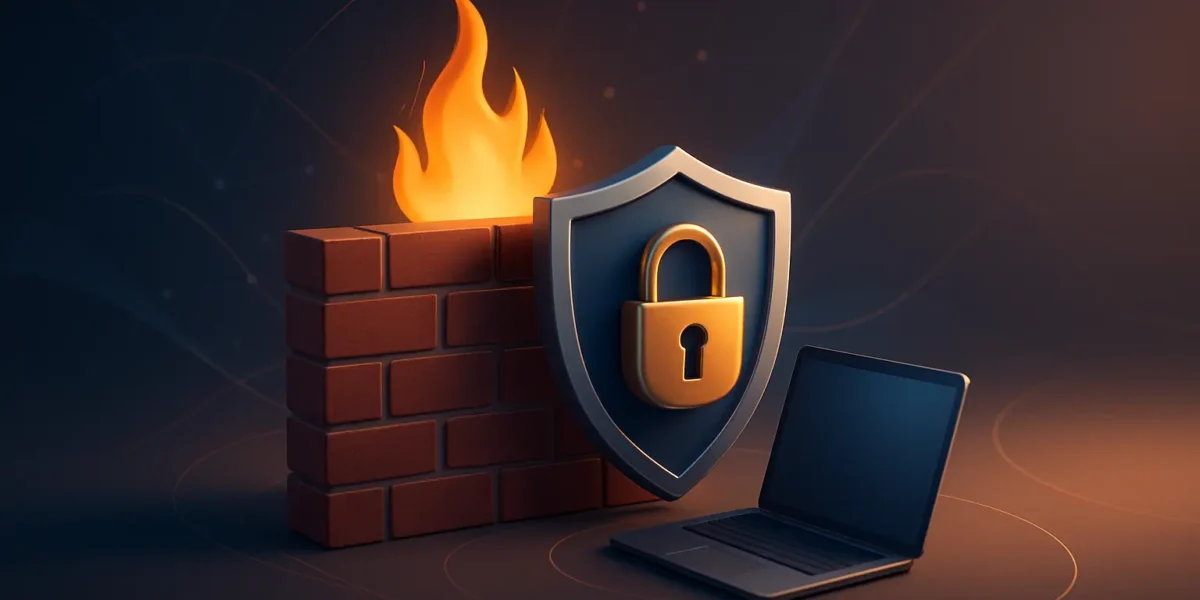
The Role of Firewalls in Cybersecurity Strategy
The Role of Firewalls in Cybersecurity Strategy
In the ever-evolving landscape of cybersecurity, firewalls play a crucial role in protecting networks and sensitive data. As businesses increasingly rely on digital tools, understanding how to effectively implement and manage firewalls is paramount. This article delves into the significance of firewalls, their types, functions, best practices, and common mistakes to avoid in your cybersecurity strategy.
What is a Firewall?
A firewall is a network security device that monitors and controls incoming and outgoing network traffic based on predetermined security rules. It acts as a barrier between a trusted internal network and untrusted external networks, such as the internet. Firewalls can be hardware-based, software-based, or a combination of both.
Types of Firewalls
Understanding the different types of firewalls is essential for developing an effective cybersecurity strategy. Here are the primary types:
- Packet Filtering Firewalls: These examine packets and permit or deny them based on a set of rules.
- Stateful Inspection Firewalls: These maintain records of active connections and make decisions based on the state of these connections.
- Proxy Firewalls: These act as intermediaries between users and the internet, providing an additional layer of security.
- Next-Generation Firewalls (NGFW): These combine traditional firewall technology with additional features like intrusion prevention and application awareness.
- Cloud Firewalls: These are hosted in the cloud and protect cloud-based resources.
How Firewalls Enhance Cybersecurity
Firewalls serve multiple functions that enhance an organization’s cybersecurity posture:
- Traffic Monitoring: Firewalls continuously monitor network traffic to identify and block malicious activities.
- Access Control: They restrict unauthorized access to sensitive data and systems, ensuring only legitimate users have entry.
- Threat Detection: Modern firewalls can detect and respond to threats in real time, preventing breaches before they escalate.
- Policy Enforcement: Firewalls enforce security policies, ensuring compliance with regulatory requirements.
- Logging and Reporting: They provide logs and reports for security audits and compliance checks.
Best Practices for Firewall Implementation
To maximize the effectiveness of firewalls in your cybersecurity strategy, consider the following best practices:
- Regularly Update Firewall Rules: Adjust rules based on evolving threats and organizational needs.
- Conduct Security Audits: Regular audits can help identify vulnerabilities and ensure compliance with security policies.
- Integrate with Other Security Solutions: Combine firewalls with intrusion detection systems, antivirus software, and other security measures.
- Implement Layered Security: Use multiple security controls to create a robust defense-in-depth approach.
- Train Staff: Ensure employees understand firewall policies and their role in maintaining cybersecurity.
Common Mistakes to Avoid
Implementing firewalls comes with its own set of challenges. Here are common mistakes to avoid:
- Neglecting Updates: Failing to keep firewall software and rules updated can leave systems vulnerable.
- Overly Restrictive Rules: This can hinder legitimate business operations and user access.
- Lack of Documentation: Not documenting firewall configurations can complicate troubleshooting and audits.
- Ignoring Alerts: Failing to respond to alerts can lead to undetected breaches.
Conclusion
Firewalls are a fundamental component of any robust cybersecurity strategy. By understanding their types, functions, and best practices, organizations can effectively protect their networks from unauthorized access and cyber threats. Avoiding common mistakes and regularly updating firewall policies ensures ongoing protection and compliance with industry regulations. As cyber threats continue to evolve, integrating firewalls with a comprehensive cybersecurity framework is essential for safeguarding sensitive data and maintaining trust in digital operations.